

Techical discuss
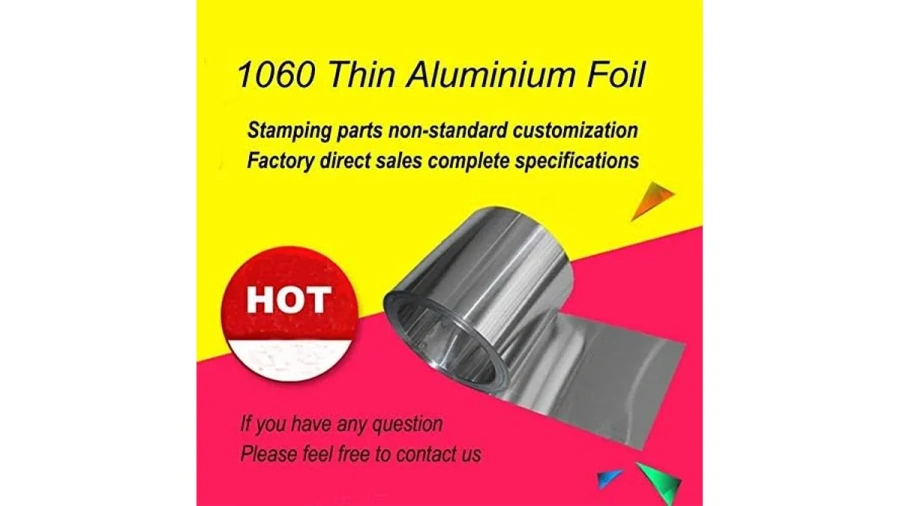
1060 Aluminum Strip: Properties, Sizes and Applications
What Is 1060 Aluminum Strip?
1060 aluminum strip is a commercially pure aluminum material containing approximately 99.6% aluminum. It belongs to the 1000-series aluminum family and is commonly selected for applications that require good formability, corrosion resistance, weldability, and electrical or thermal conductivity.
Compared with higher-strength aluminum alloys, 1060 aluminum is relatively soft and easy to bend, stamp, roll, cut, and form. It is commonly supplied in coils or narrow strips and can be processed into different thicknesses, widths, tempers, edge conditions, and surface finishes according to the intended application.
Key Properties of 1060 Aluminum Strip
The main advantage of 1060 aluminum strip is not high structural strength. Instead, buyers usually select it for its purity, workability, conductivity, and resistance to general corrosion.
| Property | Buyer Consideration |
|---|---|
| Aluminum content | Commercially pure aluminum with approximately 99.6% aluminum |
| Formability | Suitable for bending, rolling, stamping, drawing, and general fabrication |
| Corrosion resistance | Performs well in many indoor and general industrial environments |
| Conductivity | Suitable for selected electrical and heat-transfer components |
| Weldability | Can be welded using suitable aluminum welding processes |
| Strength | Lower than many alloyed aluminum grades, so it is not normally selected for heavily loaded structural parts |
Common 1060 Aluminum Strip Tempers
The temper affects the hardness, strength, flexibility, and forming performance of the aluminum strip. Buyers should select the temper according to the processing method and final product requirements.
1060-O Aluminum Strip
1060-O is supplied in a soft, annealed condition. It offers excellent flexibility and formability, making it suitable for applications involving deep drawing, tight bending, rolling, or complex shaping.
1060-H12 and H14 Aluminum Strip
H12 and H14 tempers provide a balance between formability and hardness. They may be selected for general stamped parts, decorative components, reflectors, equipment panels, and other applications that need moderate stiffness.
1060-H16 and H18 Aluminum Strip
H16 and H18 tempers are harder and less flexible than O, H12, or H14 material. They are more suitable for applications requiring improved rigidity, dimensional stability, or a firmer finished part.
1060 Aluminum Strip Sizes and Custom Options
1060 aluminum strip can be supplied in different dimensions and processing conditions. Before ordering, buyers should confirm the required specifications with the supplier.
- Thickness: Confirm the required nominal thickness and allowable tolerance.
- Width: Narrow and custom-width strips may be produced through slitting.
- Temper: Common options include O, H12, H14, H16, and H18.
- Surface finish: Mill finish, smooth finish, or other available surface requirements.
- Edge condition: Slit edge, trimmed edge, rounded edge, or deburred edge when available.
- Coil dimensions: Confirm the required inner diameter, outer diameter, and maximum coil weight.
- Packaging: Protective film, moisture-resistant wrapping, pallets, or export packaging may be required.
Because production capabilities vary, buyers should provide a drawing, specification sheet, sample, or complete size list before requesting a quotation.
Common Applications of 1060 Aluminum Strip
Because of its purity and workability, 1060 aluminum strip is used in a wide range of industrial and general fabrication applications.
- Electrical and conductive components
- Transformer and cable-related parts
- Heat-transfer and thermal management components
- Reflectors and lighting components
- Chemical equipment parts
- Insulation and ventilation components
- Decorative trim and nameplate materials
- Stamped, bent, or rolled metal parts
- General industrial fabrication
The final suitability depends on the thickness, temper, surface condition, dimensional tolerance, processing method, and working environment. A material sample or trial order may be useful when the finished application has strict forming or surface requirements.
1060 Aluminum Strip vs. 1050, 1100 and 3003 Aluminum
| Alloy | General Characteristics | Typical Selection Consideration |
|---|---|---|
| 1050 | Commercially pure aluminum with good forming performance | General forming, chemical, electrical, and decorative applications |
| 1060 | High-purity aluminum with good conductivity and formability | Applications prioritizing purity, workability, and conductivity |
| 1100 | General-purpose pure aluminum with good fabrication performance | Utensils, equipment parts, sheet-metal work, and general fabrication |
| 3003 | Aluminum-manganese alloy with higher strength than 1000-series grades | Applications requiring more strength while retaining good formability |
1060 aluminum should not automatically replace 1050, 1100, or 3003. The correct alloy depends on the required strength, forming process, conductivity, corrosion resistance, surface appearance, and applicable material standard.
How to Choose the Right 1060 Aluminum Strip
When requesting a quotation, provide as much technical information as possible. A complete inquiry should include:
- Alloy grade and required material standard
- Temper, such as O, H12, H14, H16, or H18
- Thickness, width, and dimensional tolerances
- Coil inner diameter and maximum coil weight
- Surface and edge requirements
- Finished application and processing method
- Required quantity and delivery destination
- Packaging, inspection, and documentation requirements
Providing these details helps the supplier evaluate production feasibility, select the appropriate processing method, and prepare a more accurate quotation.
Buy Custom 1060 Aluminum Strip
For buyers looking for custom dimensions, the selected supplier should be able to confirm the available thickness range, width range, temper, tolerance, surface finish, slitting capability, packaging method, minimum order quantity, and production lead time.
View the available 1060 aluminum strip product or contact the sales team with your required dimensions, temper, quantity, application, and delivery destination.
Frequently Asked Questions
Is 1060 aluminum strip suitable for bending?
Yes. 1060 aluminum has good forming and bending performance, especially in softer tempers such as 1060-O. The minimum bending radius depends on the material thickness, temper, grain direction, and forming process.
What is the difference between 1060-O and 1060-H18?
1060-O is softer and easier to form, while 1060-H18 is harder and offers greater rigidity. H18 material is generally less suitable for tight bends or deep forming than O-temper material.
Can 1060 aluminum be strengthened by heat treatment?
No. 1060 is a non-heat-treatable aluminum grade. Its strength is mainly adjusted through cold working and annealing.
Is 1060 aluminum suitable for electrical applications?
1060 aluminum may be suitable for selected electrical and conductive applications because of its high aluminum content. However, conductivity requirements, connection design, operating temperature, and applicable standards should be verified before selection.
What information is required for a quotation?
Provide the alloy, temper, thickness, width, tolerances, coil size, surface condition, edge requirement, order quantity, application, packaging requirements, and delivery destination.
Tags: 1060 aluminum strip, pure aluminum strip, thin aluminum strip, aluminum strip supplier, 1000 series aluminum
0users like this.


Your cart is currently empty.